
What is the Life Cycle of a Termite?
Compared to other pests, the termite life cycle is very unique. After hatching, termite nymphs will molt several times before maturing into a designated caste or work role.
Most termite species have the following stages of life:
- Male and female reproductives will mate and establish a new colony.
- The queen termite lays the eggs she has been producing.
- Larvae will hatch from the eggs and become nymphs.
- The nymphs will continually molt up to three times before reaching maturity.
- When mature, the termite will be assigned a caste, which is a specific role within a colony.
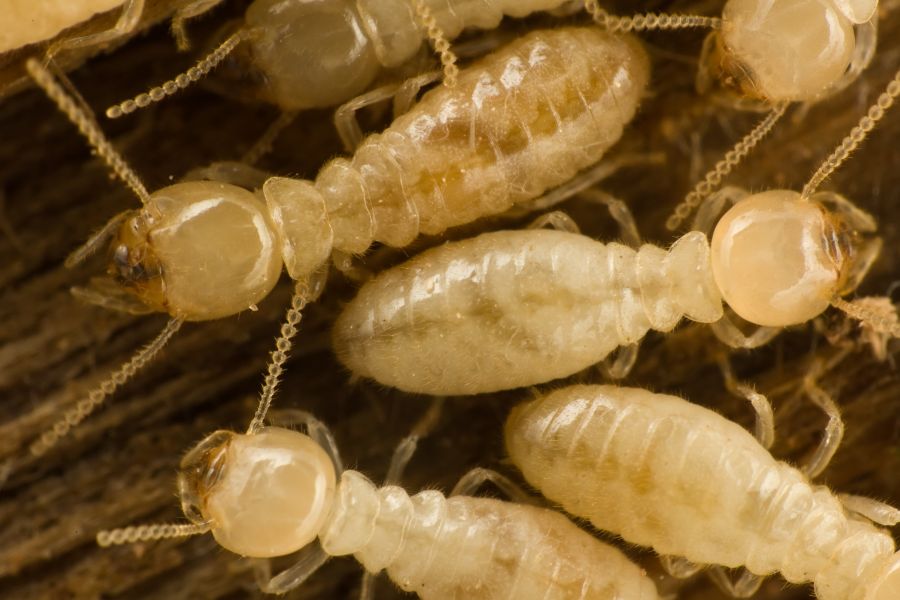
Termite Life Stages in Virginia
Termite life begins when the reproductive caste, also known as alates or swarmers, swarm to form new colonies. After a male and female alate mate, the reproductives will shed their wings and the new king and queen excavate a small chamber in the soil underground, where the queen begins to lay her eggs. The queen termite can lay up to 30,000 eggs in a day. Her eggs hatch into larvae and the nymph termites will molt three times before being assigned as a reproductive, worker, or soldier.
Do You Have a Termite Problem? We Can Help.
Click the button below to leave your information & we'll be in touch in an hour or less.
We'll call you in 24 hours or less
Fill out the form below and we’ll be in touch!
"*" indicates required fields
*During normal business hours. After hours inquiries will be returned the next business day.
What is the Lifespan of a Termite?
Different termites have different lifespans due to the caste or role they play within the colony. The average lifespans of different termites are as follows:
- Worker and soldier termites live for one to two years.
- Reproductive termites, also known as alates or swarmers, can live for nearly 4 years.
- Queens are able to live much longer than any other caste and have been known to survive for twenty years or more under optimal conditions.
How Are Termites Split Into Castes?
No one knows exactly how a termite is designated into one caste or another. Scientists have concluded that it is likely determined by social and environmental cues based on the needs of the colony at that time. Further research has suggested that the specific caste each termite is assigned isn’t always set in stone. Depending on the needs of the colony, termites are able to transform into a different caste entirely.