
Rat or Mouse: Which One Do You Have?
Rats and mice are two of the most common pest problems here in Virginia. A rodent infestation can be bad no matter which type of rodent you’re dealing with! Rats and mice may share similar characteristics and habits, but they are different in a number of ways. For example, mice tend to breed at a more rapid rate than rats. Because both of these rodents can cause such destruction and bring dangers into your home or business, it’s important to know what you’re facing.
At Loyal Termite & Pest Control, we want to inform our customers about the differences between rats and mice. Keep reading to learn more!
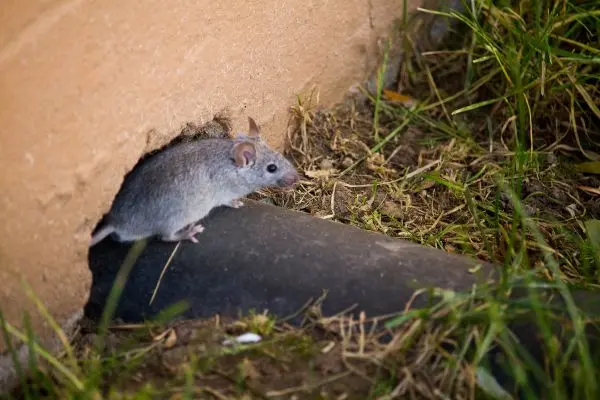
What Are the Signs of Rats and Mice?
Rodents are unlike other pests in that they make their presence known pretty quickly. When rats or mice infest your home, they leave behind many signs of their presence. Common signs you have rats or mice in your home include:
- Foul odors
- Odd noises
- Gnaw marks
- Chewed-up nests
- Burrows or tunnels
- Droppings or urine spots
Besides being a nuisance to get rid of, rats and mice alike are dangerous due to their ability to transmit some of the world’s worst diseases. Rats and mice leave some of the same signs of their activity – if you see these signs, it’s time to enlist the help of a professional rodent exterminator.
Do You Have a Rodent Problem? We Can Help.
Click the button below to leave your information & we'll be in touch in an hour or less.
We'll call you in 24 hours or less
Fill out the form below and we’ll be in touch!
"*" indicates required fields
*During normal business hours. After hours inquiries will be returned the next business day.
Mice vs. Rats
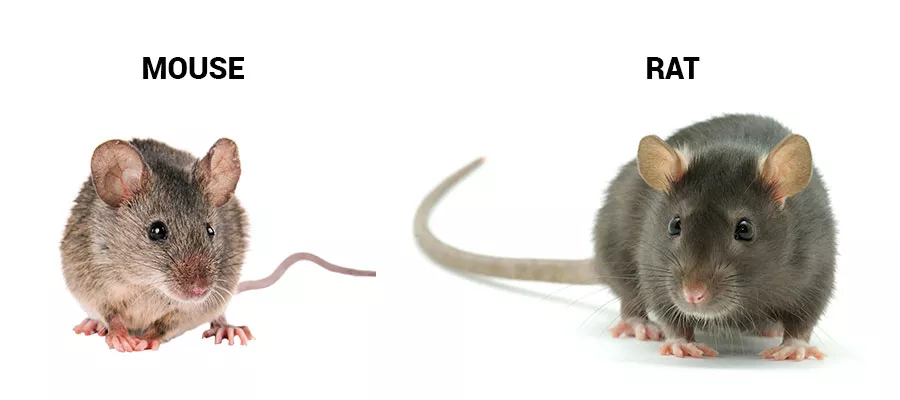
Mice are known to be much smaller than rats, but their differences don’t stop there. Some of the traits that set mice apart from rats are as follows:
- Mice are typically no more than four inches in length.
- Mice often have larger ears and tails compared to their body size.
- Mice droppings have pointed ends and are just one to two mm long.
- A mouse population can reproduce at a faster rate, with five to ten litters a year and up to 14 mice in each litter.
- Mice are omnivores but mostly feed on seeds, grains, and fruits.
5 Rat Facts
We all know that rats are bigger than mice. They differ in a number of other ways as well:
- Rats can be up to nine inches in length, tail not included.
- Rats have small, hairy ears and larger feet.
- Their droppings are much bigger than those of mice at 10–20 mm long.
- Rats produce three to six litters a year, with up to ten pups in each litter.
- Rats are opportunistic feeders that will eat meats, grains, seeds, and much more.
What to Do About Rat and Mouse Infestations in Virginia
If you think you are dealing with rats or mice, it’s best to call your local rodent control team at Loyal Termite & Pest Control. We are committed to keeping you and your family safe from the dangers both of these pests can bring into your home year-round.


